US Small Cents (1856-1909)
Numismatic Information, Coin Values, Mintage Records and Images, p. s 1
This page depicts all US Small Cents minted from 1856 through 1909, and includes their specifics, mintage records, key dates, coin values (in G-4 and EF-40 conditions) and images of a few types (not all) that were recovered at various locations in the North-East USA.
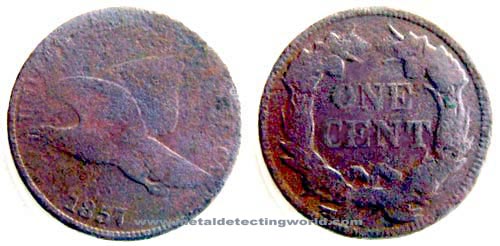
FLYING EAGLE TYPE 1856 - 1858
Specifications:
Diameter:
19 mm
Weight: 4.67 grams or 72 grains
Edge: Plain
Composition: 88%
copper, 12% nickel
Quantity minted: 42,050,000
Proofs minted: (approx.)
280 rare, (approx.) 1000 in 1856
Mint marks: None
Designers: James Longacre
OBVERSE: Two varieties were created by 1) a normal separation between the serifs on A and M in AMERICA ("Small Letter" design), and 2) a continuous serif connecting these two letters ("Large Letter" design).
REVERSE: A wreath of corn, cotton, wheat, and tobacco - the four major agricultural products of the United States - envelopes the denomination ONE CENT. It was determined that the popularity of the new cent would serve to promote the export commodities of America.
Key Dates and Coin Values:
• 1856 (est. 1,500); G-4: $3,750, EF-40: $5,850
Average coin values of other dates: G-4 - $15.00, EF-40 - $110.00
INDIAN HEAD TYPE 1859 - 1909
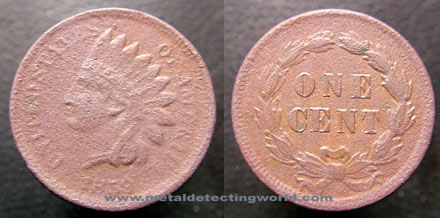
VARIETY 1 - COPPER-NICKEL, Laurel Wreath Reverse, 1859 only
Specifications:
Diameter:
19 mm
Weight: 4.67 grams or 72 grains
Edge: Plain
Composition: 88%
copper, 12% nickel
Quantity minted: 36,400,000
Proofs minted: Unknown
Mint marks: None
Designers: James Longacre
OBVERSE: James Barton Longacre designed the Indian Head device using his daughter Sarah as his model when a group of Indians was visiting the U.S. Mint in Philadelphia. Their visit came just as James was showing his 12-year-old daughter the workings of the Mint. According to the Longacre descendants, "An old chief, attracted by the sweet-faced maiden who had taken an interest in his Indian headdress, placed the warbonnet on the young girl's head. it was such a striking picture that Longacre immediately took up sketch pad and began to draw his daughter in her borrowed headgear."
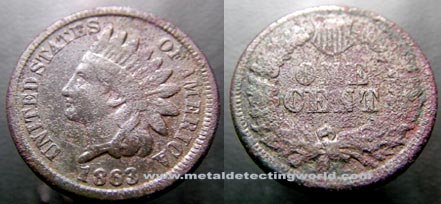
VARIETY 2 - COPPER-NICKEL, Oak Wreath with Shield, 1860 - 1864
Specifications:
Diameter:
19 mm
Weight: 4.67 grams or 72 grains
Edge: Plain
Composition: 88%
copper, 12% nickel
Quantity minted: 122,321,000
Proofs minted: 3,310
Mint marks: None
Designers: James Longacre
REVERSE: The wreath of laurel was replaced by wreath of oak, separated at the top by a shield
Key Dates and Coin Values:
• 1860 Pointed bust; G-4: $9.00, EF-40: $60.00
• 1861; G-4: $18.00, EF-40: $90.00
• 1864; G-4: $15.00, EF-40: $55.00
Average coin values of other dates: G-4 - $7.00, EF-40 - $100.00
VARIETY 3 - Bronze, 1864 - 1909
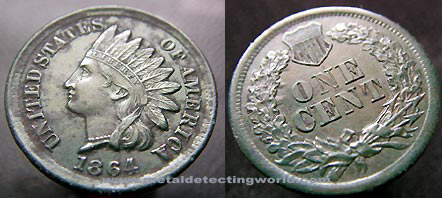
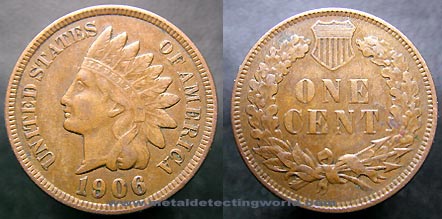
Specifications:
Diameter:
19 mm
Weight: 3.11 grams or 48 grains
Edge: Plain
Composition: 95%
copper, 5% tin/zink
Quantity minted: 1,690,916,000
Proofs minted: 96,848
Mint marks: S-1908-09 only
Designers: James Longacre
OBVERSE: A few of the last coins struck in 1864 carried the initial "L" for Longacre
Key Dates and Coin Values:
• 1864 L must show; G-4: $38.00, EF-40: $215.00
• 1867; G-4: $36.00, EF-40: $165.00
• 1869 over 9 (the 9 is doubled on some varieties); G-4: $95.00, EF-40: $310.00
• 1869; G-4: $50.00, EF-40: $280.00
• 1870; G-4: $40.00, EF-40: $280.00
• 1871; G-4: $48.00, EF-40: $325.00
• 1872; G-4: $60.00, EF-40: $365.00
• 1873 Doubled LIBERTY; G-4: $230.00, EF-40: $2,100
• 1873 Open 3; G-4: $20.00, EF-40: $130.00
• 1876; G-4: $25.00, EF-40: $125.00
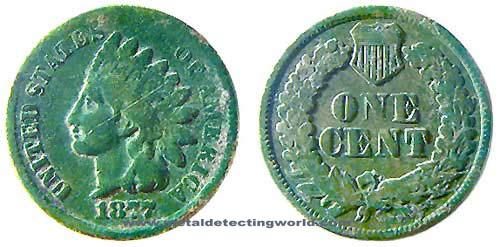
• 1877; G-4: $450.00, EF-40: $1,300
• 1878; G-4: $25.00, EF-40: $140.00
• 1888 over 7; G-4: $655.00, EF-40: $2,550
• 1894 Doubled date; G-4: $15.00, EF-40: $180.00
• 1908S; G-4: $38.00, EF-40: $90.00
• 1909S; G-4: $240.00, EF-40: $445.00
Average coin values of other dates: G-4 - $2.50, EF-40 - $25.00
One of the Key Dates: 1877 Indian Head Cent